Forrester Unveils Rise of Chief Trust Officer (CTrOs): A New C-Suite Imperative
An Increasingly Important Role Tasked with Authenticating a Company's Commitment to Trust and Bringing Together Security, Privacy, and Compliance

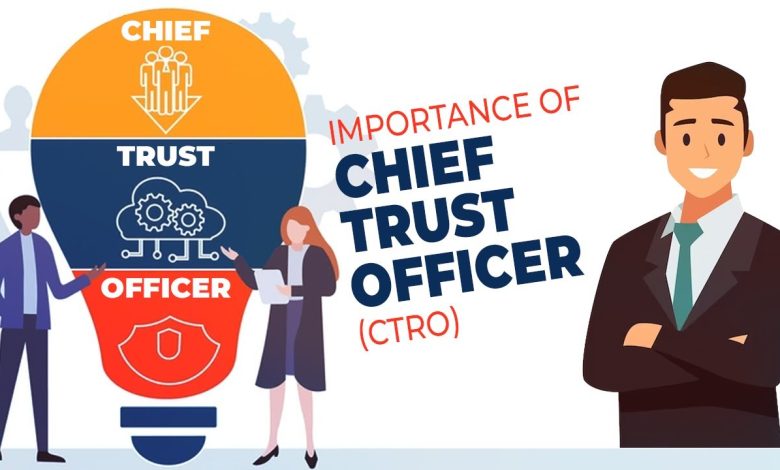
Forrester has released a new report, The Emergence of the Chief Trust Officer, underlining the rise of a pivotal C-suite role tasked with safeguarding trust across the enterprise. The report outlines the responsibilities, organisational structures, and success metrics of Chief Trust Officers (CTrOs), whose remit spans product security, cybersecurity, privacy, and compliance.
The CTrO role has emerged in the past 10 years, primarily in B2B software and technology companies facing increased scrutiny over product security and data privacy. Forrester’s research shows that the role has become a necessity for firms to authenticate their commitment to trust, bringing together product security, cybersecurity, privacy, and compliance under one C-suite leader.
Key Highlights of the Forrester Research on CTrOs
-
Tech companies created the CTrO role out of necessity. Due to missteps around bias, privacy abuses, and harassment, high-tech firms have struggled to garner trust, making them the first to adopt the CTrO role.
-
Trust became a revenue problem for B2B software companies. When a business partner’s cybersecurity posture was questioned, contracts would stall. CTrOs and their teams now step in to remove these obstacles, and move deals forward.
-
Most CTrOs are former CISOs. Of the 16 CTrOs identified by Forrester, 11 were former chief information security officers (CISOs). This move elevates them from under the IT organisation to a true C-level role, with CEO visibility.
-
The trust organisation combines several key departments. The team led by the CTrO often includes enterprise information security, product security, compliance, and privacy, which may have previously resided in other organisational silos.
-
CTrOs require direct CEO support to be effective. To avoid becoming mere title inflation, CTrOs need explicit backing from the CEO to ensure that trust initiatives are prioritised across the entire organisation, even when they conflict with other leaders’ objectives.
Jeff Pollard, VP Principal Analyst at Forrester, said: “Security was something employees were forced to compel; trust is something they want to create. When security leaders shift to a trust-based framework, the entire organisation embraces the chance to work with them. The CISO role has its roots in tech but is now widespread. We believe the CTrO role will follow a similar path, becoming essential for complex organisations that need a single leader to accept accountability for building and maintaining trust with customers, employees, and partners.”