Frankenstein Fraud: How Biometrics Can Help Singapore Thwart Deepfake Threat
A Digital-First Approach Brings Immense Convenience—But Also a Larger Attack Surface

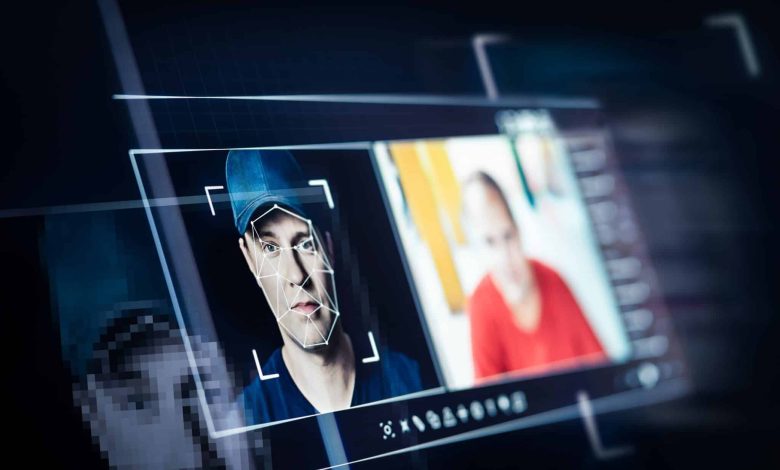
Have you ever heard of Frankenstein Fraud?
Singapore’s reputation as a global financial hub, and a digital government leader, is well-established. The Monetary Authority of Singapore (MAS) continues to work with regional and global partners to ensure that the city-state remains a model of financial innovation and cyber resilience. Its digital governance initiatives recently earned it third place globally in the United Nations e-Government Survey 2024.
But as Singapore charges ahead in its digital transformation, it faces a new and rapidly evolving threat: synthetic identity fraud (SIF), more ominously known as “Frankenstein Fraud.” This sophisticated form of cybercrime uses generative Artificial Intelligence (AI) and deepfake technology to create hyper-realistic digital personas that are nearly impossible to detect using traditional security tools.
Frankenstein Fraud and the Rise of Synthetic Identity Fraud
Frankenstein Fraud combines stolen, fabricated, or manipulated personal information—often harvested through data breaches or phishing attacks—with AI-generated visuals and voice synthesis. The result: synthetic identities that convincingly mimic real people, regularly bypassing conventional fraud detection systems.
According to Deloitte, global losses from SIF (or Frankenstein Fraud) could exceed USD $23 billion by 2030. This threat is no longer hypothetical—it’s already proliferating across financial systems, particularly in digitally advanced markets like Singapore.
The UN Office on Drugs and Crime (UNODC) reported a 600% increase in deepfake-related content across Southeast Asia in the first half of 2024. In Singapore, cybercrime and scam-related cases rose by 18% over the same period, amounting to SGD $385.6 million in losses. The dark web remains a marketplace for stolen identity data, including sensitive biometric markers like fingerprints and facial recognition profiles.
Why Traditional Detection Is Failing
Singapore’s digital-first approach brings immense convenience—but also a larger attack surface. Its high rate of digital transactions and strong culture of trust make it a lucrative target for fraudsters. Traditional fraud models, built to detect anomalies in known identity attributes, often fall short when faced with synthetic identities that mimic human behaviour with uncanny realism.
Criminals exploit the social security numbers of less-monitored demographics—such as children, the elderly, or recent immigrants—to stitch together seemingly legitimate profiles. These identities are hard to trace, and even harder to prosecute. The result is a rising tide of fraud that undermines both consumer confidence and institutional trust.
Biometrics: The New Frontline Against Deepfakes
To counter this threat, financial institutions in Singapore are moving beyond passwords and one-time passcodes (OTPs). Biometric authentication—especially second-generation solutions equipped with advanced liveness detection—is emerging as a critical line of defence.
These technologies go beyond simply matching a fingerprint or facial image. They determine whether a person is physically present and alive, using tools like dynamic facial scanning or light-based reflection analysis to detect signs of synthetic or spoofed identities.
For instance, iProov’s biometric system projects a randomised sequence of colours onto a user’s face and analyses how the light reflects in real time. This passive liveness detection ensures that the face being scanned belongs to a real, three-dimensional human—not a video playback, mask, or AI-generated fake. The process is inclusive, requiring no action from the user, and accessible across age and ability groups.
In iProov’s Deepfake Consumer Study, a staggering 99.9% of participants failed to reliably distinguish real content from synthetic content—underscoring just how vital machine-verified biometric security has become.
Building a Resilient Digital Identity Ecosystem
Singapore’s financial and government sectors are already recognised for innovation and regulatory leadership. Now, they must also become champions of secure digital identity. As generative AI continues to evolve, the battle against synthetic identity fraud will depend on proactive measures, not reactive responses.
These responses include:
- Adopting robust biometric authentication at scale.
- Investing in threat-adaptive liveness detection.
- Enhancing public awareness around AI-generated fraud.
- Supporting international collaboration to track and shut down synthetic identity networks.
By embedding next-generation biometric security across critical financial infrastructure and digital government platforms, Singapore can not only safeguard its institutions but also reinforce public trust in the digital economy.
The Bottom Line
Frankenstein Fraud is not science fiction—it’s here, and it’s growing fast. But with the right biometric safeguards, Singapore can stay ahead of the curve. In a world where even our eyes and ears can be deceived, trust must be rooted in what machines can verify, not just what humans can perceive.