Critical cPanel Vulnerability Puts Millions of Websites at Risk—But There’s a Rather Easy Fix


This one is serious, especially if you’re using cPanel. Patch immediately.
Security researchers have uncovered a critical authentication bypass vulnerability in cPanel and WebHost Manager (WHM)—two of the most widely used web server management platforms in the world. The bug, tracked as CVE-2026-41940 and assigned a near-maximum severity score of 9.8 out of 10, allows remote attackers to skip the login screen entirely and gain full administrator access to any affected server. No password required.
The vulnerability affects all supported versions of the software, which is estimated to be used by tens of millions of website owners globally. Canada’s national cybersecurity agency has assessed that “exploitation is highly probable” and called for immediate action from cPanel customers and web hosts. A patch has been released. Every administrator who has not yet applied it should stop reading this and go do that first.
What cPanel and WHM Actually Do—and Why This Is So Bad
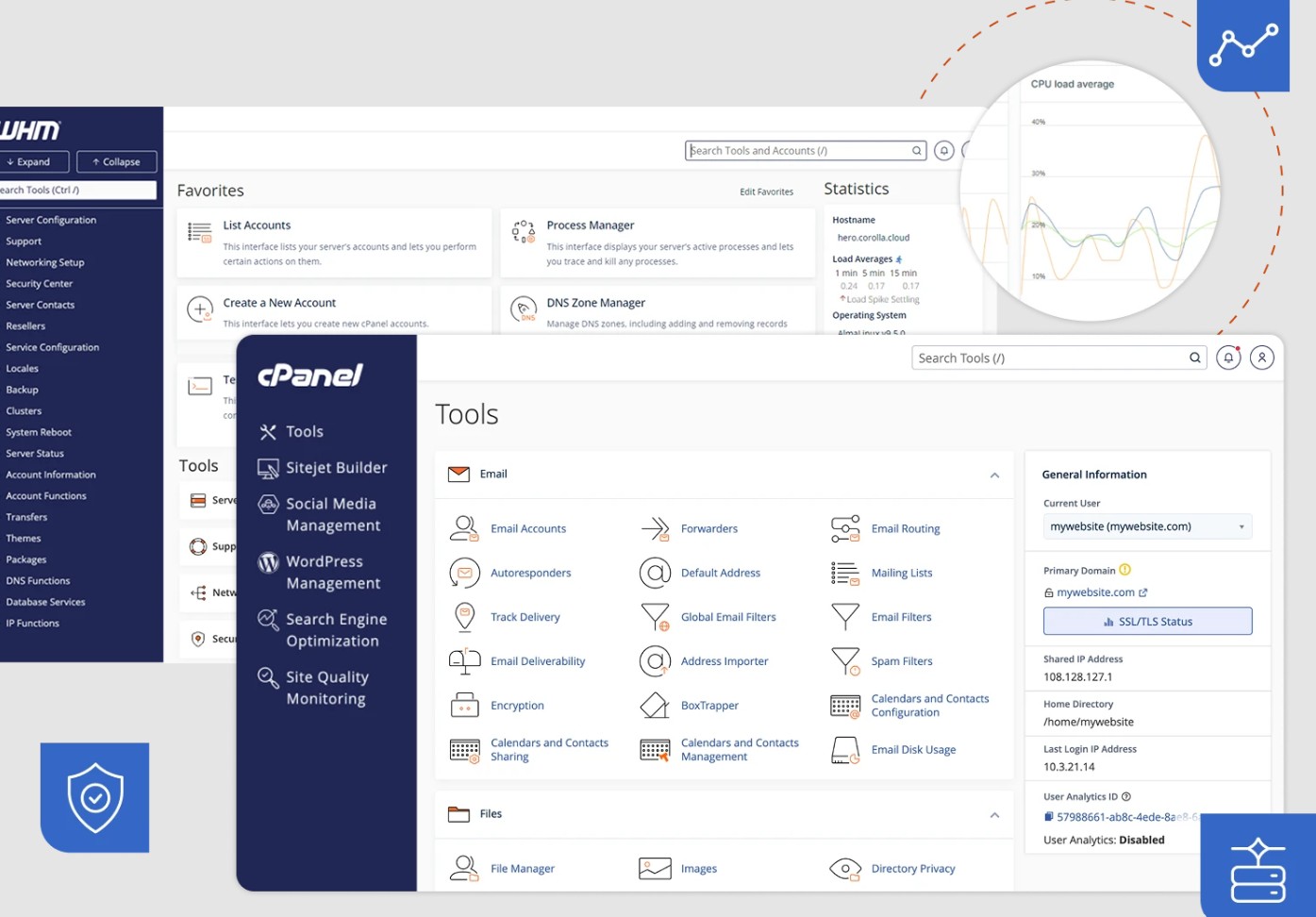
cPanel is the control panel that most website owners interact with to manage their site—uploading files, updating content, managing email, configuring databases. Think of it as the dashboard that makes web management accessible without needing to write code. WHM operates one level higher: it manages the server that hosts all of those cPanel accounts. A WHM administrator oversees every website, database, and user account on a given server.
That distinction matters enormously here. The vulnerability does not just give an attacker access to one website. It gives them root-level access to WHM—meaning every website hosted on that server is at risk simultaneously. From that position, an attacker can steal data, upload malware, modify content, or delete everything on the server outright. It is as complete a compromise as a web server can suffer.
The technical mechanism behind the exploit involves a CRLF injection—CRLF stands for Carriage Return Line Feed, a method of inserting a new line of code into a process. In this case, attackers inject a new line into the cPanel Logbook that bypasses session file encryption and establishes them as the root administrator. The simplified version: the software can be tricked into thinking an attacker is already logged in as an administrator, granting full access without authentication. watchTowr Labs, which dissected the vulnerability, provided a detailed technical breakdown of exactly how the exploit works.
The patch cPanel has released closes this gap by adding a sanitisation function that scrubs incoming data before it is processed, preventing injected lines from being executed.
Evidence of Active Exploitation
This is not a theoretical risk. It has already been exploited in the wild.
KnownHost CEO Daniel Pearson confirmed in a public post that his company detected exploitation attempts as far back as 23 February 2026—more than two months before the vulnerability was publicly disclosed. Approximately 30 servers on KnownHost’s network showed signs of unauthorised access attempts, though Pearson said these appeared to be attempts rather than confirmed compromises. The company temporarily blocked access to customer systems before applying patches.
Major hosting providers moved quickly once the vulnerability was disclosed. Namecheap blocked customer access to their cPanel panels entirely after learning of the flaw, buying time to apply patches across its infrastructure before restoring access. HostGator classified the bug as a “critical authentication-bypass exploit” and confirmed it had patched its systems. cPanel also rolled out a fix for WP Squared, a related tool used for managing WordPress websites.
AOPG Feels the Impact
The recent cPanel vulnerability had a direct and disruptive impact on Asia Online Publishing Group, the parent company behind Cybersecurity Asia, Data & Storage Asia, and Pickleball News Asia. All three websites were taken offline for three consecutive days—from 1 May to 3 May—after attackers exploited the authentication bypass flaw to gain unauthorised access to the group’s hosting environment.
During the outage, readers were unable to access critical industry coverage on cybersecurity, enterprise storage, and emerging sports content, while advertisers and partners faced interruptions in visibility and engagement. For Asia Online Publishing Group, the downtime underscored the risks of shared hosting environments where a single compromised cPanel server can cascade across multiple sites simultaneously.
The company has since confirmed that patches were applied and additional hardening measures introduced to prevent repeat incidents. However, the three‑day disruption highlights the urgency for publishers, businesses, and developers alike to ensure their cPanel installations are fully updated and secured against CVE‑2026‑41940.
The Scope of the Problem
The reason this vulnerability is generating alarm is not just its technical severity—it is its reach. cPanel and WHM power a significant portion of the shared web hosting infrastructure that underpins the broader internet. A single unpatched server in a shared hosting environment could expose hundreds or thousands of separate websites to compromise simultaneously.
For businesses and individuals running websites on shared hosting plans, the responsibility largely falls on the hosting provider to patch. Most major providers have already acted. But for anyone managing their own server infrastructure—whether a small business running a VPS or a developer managing client sites—checking patch status is not optional.
CVE-2026-41940 is exploitable, has already been attempted in the wild, and carries a 9.8 severity rating for a reason. The patch exists. Apply it.