GSMA Warns: Consumer Trust in SEA Dwindling Amidst Growing Cyber Scam Concerns
Nearly 10% of ASEAN Consumers Fell Victim to Scams Last Year, While 84% of Respondents Are Worried Scams Are Rising


Digital scams are an escalating concern for consumers across Southeast Asia, with nearly one in ten (8%) in the region scammed in the last year, a new GSMA commissioned report into scams revealed. The “ASEAN Consumer Scam Report 2025,” authored by advisory firm Armidale, shows that growth in digital scams and fraud is eroding digital trust with more than two-thirds (67%) of consumers saying they are “very worried” about the threat. Some 84% of respondents fear scams are on the increase.
What GSMA Found
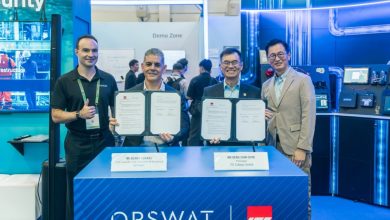
Unveiled at the Digital Nation Summit – Kuala Lumpur (ASEAN Edition), the report surveyed more than 3,000 consumers in Malaysia, Thailand, Singapore, Indonesia, the Philippines and Vietnam and found widespread concerns over scams, as well as significant financial and emotional impact on victims:
- Victimisation: Eight percent of respondents were scammed in the past year; 25% of those incidents went unreported (32% in Indonesia).
- Financial harm: 11% of victims lost material sums that still trouble them; the share rises to 16% in Malaysia.
- Anxiety: 67% describe themselves as “very worried” about scams, and 84% believe scams are increasing – nearly one-third say “very rapidly.”
- Behavioural change: 92% have altered their online habits; adopting two-factor authentication is the most common step.
- Artificial Intelligence (AI) threat: 6% report being targeted by scams they believe were AI-generated.
- Attack channels: Voice calls and messaging apps deliver 37% of scams, closely followed by social media posts.
- Platform perception: 61% associate Facebook with scams.
- Social-commerce caution: In Singapore, 83% avoid buying on Facebook and 67% avoid TikTok Shop, versus ASEAN averages of 51% and 31%.
- Banking loyalty: 36% would switch financial-service providers for stronger security that leverages telecom-data insights.
- Who should act: Governments (24%) and banks (22%) are seen as primary defenders; in Indonesia and the Philippines a larger share of people look to tech and social-media platforms (17%) to police themselves better.
Julian Gorman, Head of Asia Pacific at GSMA, said:“Consumer trust is the bedrock of ASEAN’s digital economy. Our latest data reveals a crisis of confidence. People are changing how they behave online—and in some cases, walking away altogether. Unless we act decisively and together, we risk losing the momentum that digitalisation has built across Southeast Asia.”
The report also emphasises that keeping ASEAN’s digital economy on track requires a united front. Governments and the banking sector—viewed by citizens as first-line responders—must collaborate closely with mobile operators and technology platforms to standardise security protocols, share threat intelligence, and expand public-awareness initiatives. Restoring user confidence through these joint efforts is essential to unlocking the full promise of digital connectivity for every person and business in Southeast Asia.
GSMA Recommendations vs. Digital Scams
With these challenges at the helm, GSMA is calling for greater collaboration between mobile operators, financial institutions, e-commerce platforms, and governments to:
- Standardise threat reporting and cyber hygiene practices across sectors.
- Leverage telecom data insights for real-time fraud detection.
- Expand digital literacy and scam-awareness campaigns.
- Harmonise data protection and digital consumer rights frameworks.
- Support secure payment systems and cross-border QR-code integration.
The findings come alongside GSMA’s new “Digital Nations Report 2025,” which benchmarks ASEAN member states’ readiness to achieve the ASEAN Connectivity Strategic Plan 2026–2035. Security and consumer trust are identified as core elements of digital nationhood, with the scam report results underscoring the urgent need for decisive, cross-sector collaboration now.
Two such initiatives being led by the GSMA are the Open Gateway framework, which is helping banks and online retailers in the region use the power of mobile networks to verify real customers and spot fraudulent activity. The second is the GSMA-led Asia Pacific Cross-Sector Anti-Scam Taskforce (ACAST), launched earlier this year to unite mobile network operators and digital platforms across 16 countries in a collaborative fight against scams through intelligence sharing, public awareness and technical innovation.
The GSMA calls for coordinated, cross-sector action combining regulatory leadership, robust cybersecurity measures and public-education campaigns to stem rising fraud, expand secure connectivity and safeguard consumer confidence, the bedrock of ASEAN’s digital economy.