Keeper Security Extends Zero-Trust Privileged Access Controls into Slack
Reflecting Keeper’s Strategy to Seamlessly Embed Security Controls into Existing Systems Without Compromising Zero-Knowledge or Least-Privilege Principles
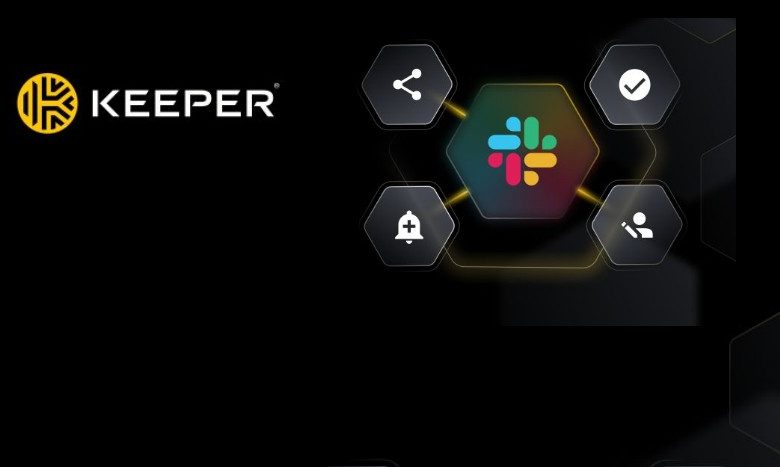
Keeper Security, the leading provider of zero-trust and zero-knowledge Privileged Access Management (PAM) software protecting passwords and passkeys, infrastructure secrets, remote connections, and endpoints, has announced the launch of its Slack integration, extending secure, policy-driven access governance into one of the most popular collaboration platforms in the world.
Slack is widely used as a primary collaboration environment inside organisations of all sizes. As teams rely on messaging channels to handle approvals, incident response, and day-to-day coordination, Slack has become a central place for operational decisions to be initiated and tracked. As thousands of third-party integrations power Slack-based workflows, the platform has emerged as a primary workspace for operational coordination, creating a natural point to introduce access governance while keeping enforcement centralised.
Keeper Slack Integration and What It Means
The integration allows organisations to request and approve access to Keeper Vault resources, such as shared folders, service accounts, credentials, and protected applications, directly within Slack, while Keeper continues to operate as the system of record for access enforcement, encryption, auditing, and compliance. The Slack App and Keeper Commander application containers are hosted by the customer, preserving Keeper’s zero-knowledge architecture and ensuring that the customer is in complete control over the encryption and decryption of data.
“Security breaks down when people have to step outside governed systems. We designed this integration so that Slack functions as a workflow interface, not a security boundary,” said Craig Lurey, CTO and Co-founder of Keeper Security. “Slack is where work happens. Keeper is where access is enforced. Keeping those roles separate is what lets organisations move faster without creating new risk.”
Many workflow integrations blur security boundaries in the name of convenience. Keeper took a different approach by designing the integration around a clear separation of responsibilities: workflow platforms initiate requests and approvals, while Keeper alone enforces access policies and cryptographic controls. This model preserves the security guarantees organisations rely on, without forcing teams to work outside their existing workflows.
By bringing access approvals into an established collaboration environment, organisations can eliminate insecure side channels such as email threads, direct messages, or screenshots, all while maintaining strict least-privilege access policies and centralised governance across cloud, hybrid, and on-premises environments.
With this capability, organisations can streamline access governance while maintaining full control. Requests are initiated in Slack and routed automatically to the appropriate approvers based on Keeper policies. Access is granted on a Just-in-Time (JIT) basis with no standing privileges, and every request, approval, and access event is logged centrally to support audit and compliance requirements.
The Slack integration is part of Keeper’s broader platform strategy to extend zero-trust access governance into the systems of work where decisions already occur, without fragmenting security controls or introducing new attack surfaces. This approach allows organisations to modernise access workflows while keeping enforcement centralised, consistent, and auditable.
“As organisations adopt more collaborative and distributed ways of working, security has to adapt without surrendering authority,” added Lurey. “This launch reflects Keeper’s long-term view of access governance as a wider platform capability, not a point integration.”
The Keeper Slack integration is now available to Keeper customers. For more information, visit KeeperSecurity.com.