Check Point Data Reveals Three Asian Countries Among Most at Risk of Automated Attacks
Indonesia Is Among the Most at Risk, Along with Mongolia and Saudi Arabia

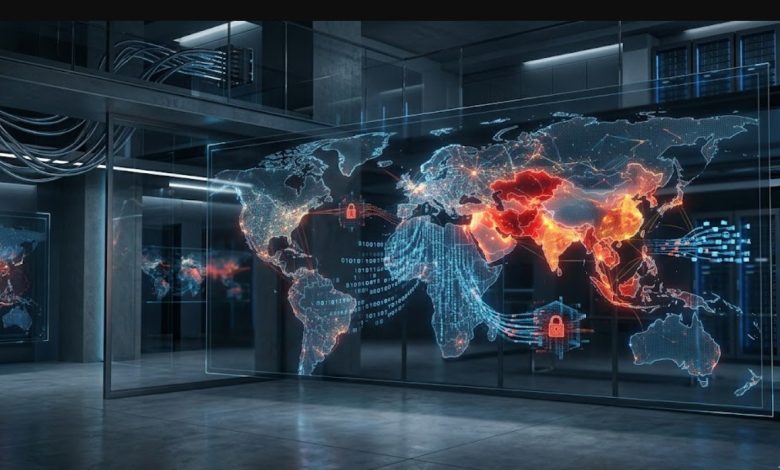
Three Asian countries—Indonesia, Mongolia, and Saudi Arabia—are among the most exposed to Artificial Intelligence (AI)-powered cyberattacks. In fact, of the 10 countries most at risk of automated AI attacks, 6 are in Asia. This is according to a March 2026 report on AI-powered cyber threats as compiled by Check Point.
With AI bots now increasingly used to smuggle sensitive information, Check Point’s recent study shows which countries could be the next targets of malicious digital activities. Indonesia is hit by more cyberattacks than any other country, with hackers targeting nearly half of all computers and phones in the country. Wealthy Gulf nations like the UAE and Saudi Arabia have fewer attacks but face bigger losses when hackers do break in.
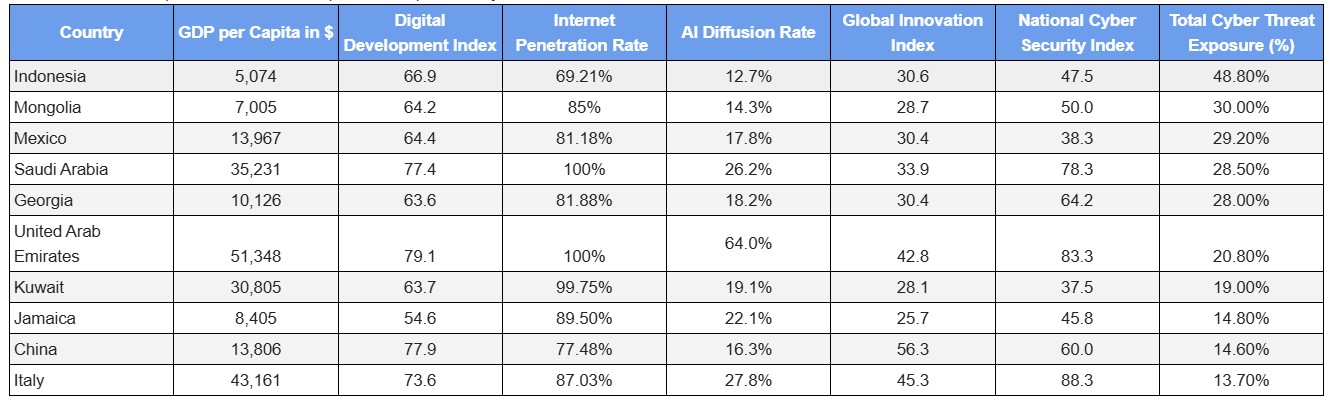
Mexico has one of the weakest cybersecurity defenses in the world, scoring just 38/100 points in the digital protection index. Here’s a look at the top 10 countries most exposed to AI-powered cyber threats:
1. Indonesia
Indonesia is the world’s most vulnerable country to cyberattacks. Hackers target nearly half of all computers, phones, and other devices connected to the Internet here. One reason is weak defences, as the country scores just 47.5 out of 100 on cybersecurity protection. Another is that hackers can now use AI to attack thousands of systems at once, so they go after whoever has the easiest targets. As a result, Indonesians get hit by password stealers on 16% of their devices, while botnets compromise another 21% of their computers.
2. Mongolia
Mongolia sees 30% of its digital devices targeted by hackers. That means 3 out of every 10 computers or phones here are under attack at any given time. The country scores only 50 out of 100 on cybersecurity defenses, leaving many gaps that automated hacking software exploits. With people earning around USD $7K per year, Mongolia doesn’t have much money to spend on better protection either. Yet, almost everyone here is online, with 85% of the population connected to the Internet, giving attackers plenty of devices to target.
3. Mexico
Mexico comes in third, with hackers going after 29% of devices across the country. Most attacks come from botnets (10.6%) and ransomware (8.4%) that lock people’s files until they pay to get them back. What makes Mexico vulnerable is that 81% of locals use the internet, while the country’s cybersecurity defenses are rated at just 38/100 points, leaving millions of devices exposed with weak protection. Plus, the average income of USD $14K means people here have enough money to be “worth” stealing from.
4. Saudi Arabia
Saudi Arabia ranks fourth, with hackers targeting 28.5% of devices across the kingdom. That’s slightly less than Mexico, but the economic stakes are completely different here. Saudis earn USD $35K per year on average, about 7 times more than Indonesians. This means a hack that causes USD $1 million in damage in Indonesia would cause $7 million in Saudi Arabia simply because there’s more wealth to steal. The kingdom scores 78.33 out of 100 on cybersecurity defenses, far stronger than most countries on this list. But hackers still break through because Saudi businesses and government agencies have a high AI adoption rate (26%), which creates new security holes.
5. Georgia
Georgia ranks fifth, with 28% of devices under attack from hackers. With people earning about USD $10K per year, the country sits in the same economic tier as Mongolia. Georgia has invested more in protection, though, scoring 64.17 out of 100 on cybersecurity defences. Yet, those with malicious malware still manage to penetrate its systems, with banking trojans alone targeting another 8% of accounts, stealing login credentials. Internet penetration here reaches 82% of the population, so almost everyone is exposed. Plus, the 18% AI adoption rate shows businesses in Georgia are adding smart technology faster than they can secure it.
“Cybercriminals used to target the richest countries because that’s where the money was. But with AI coming into play, things are changing,” a Check Point expert noted. “Now, attackers can run automated campaigns that hit thousands of targets simultaneously, so they go after whoever has the weakest defenses, regardless of money. In other words, AI makes it cheap to attack vulnerable systems at scale.”
More About the Check Point Study
The research looked at which countries are being targeted by hackers the most. Using data from cybersecurity monitoring systems, the study tracked five types of attacks: botnets that take over computers remotely, infostealers that grab passwords, banking trojans that steal money from accounts, ransomware that locks files until victims pay, and mobile malware targeting phones.
Each country was ranked by the number of its computers and phones being targeted. The research also examined how much money people earn, since wealthier nations lose more when attacks succeed, even if they face fewer attacks overall. Other factors included internet usage rates, how much each country uses AI technology, and how strong their cybersecurity defences are.
You can access the complete Check Point research findings here.