Cohesity Predictions for 2026: AI, Cyber Resilience, and the New Rules of Digital Trust
How sovereign cloud, agentic AI, and hybrid strategies will redefine security, infrastructure, and resilience


As organisations race to harness Artificial Intelligence (AI) at scale, the technology landscape is approaching a defining moment. Innovation is accelerating, cyber threats are growing more autonomous, and budgets remain stubbornly tight. In 2026, Cohesity is seeing that success will no longer be measured by ambition alone, but by control, resilience, and trust.
From sovereign cloud adoption to AI-powered ransomware and the rise of hybrid infrastructure, technology leaders are being forced to rethink how they protect data, defend operations, and deliver value. Cohesity’s leadership shares their predictions on the shifts that will shape the year ahead—and what enterprises must do to stay ahead.
Sovereign Cloud and Collective Cyber Defence Will Power the AI Era
– Sanjay Poonen, Chief Executive Officer at Cohesity
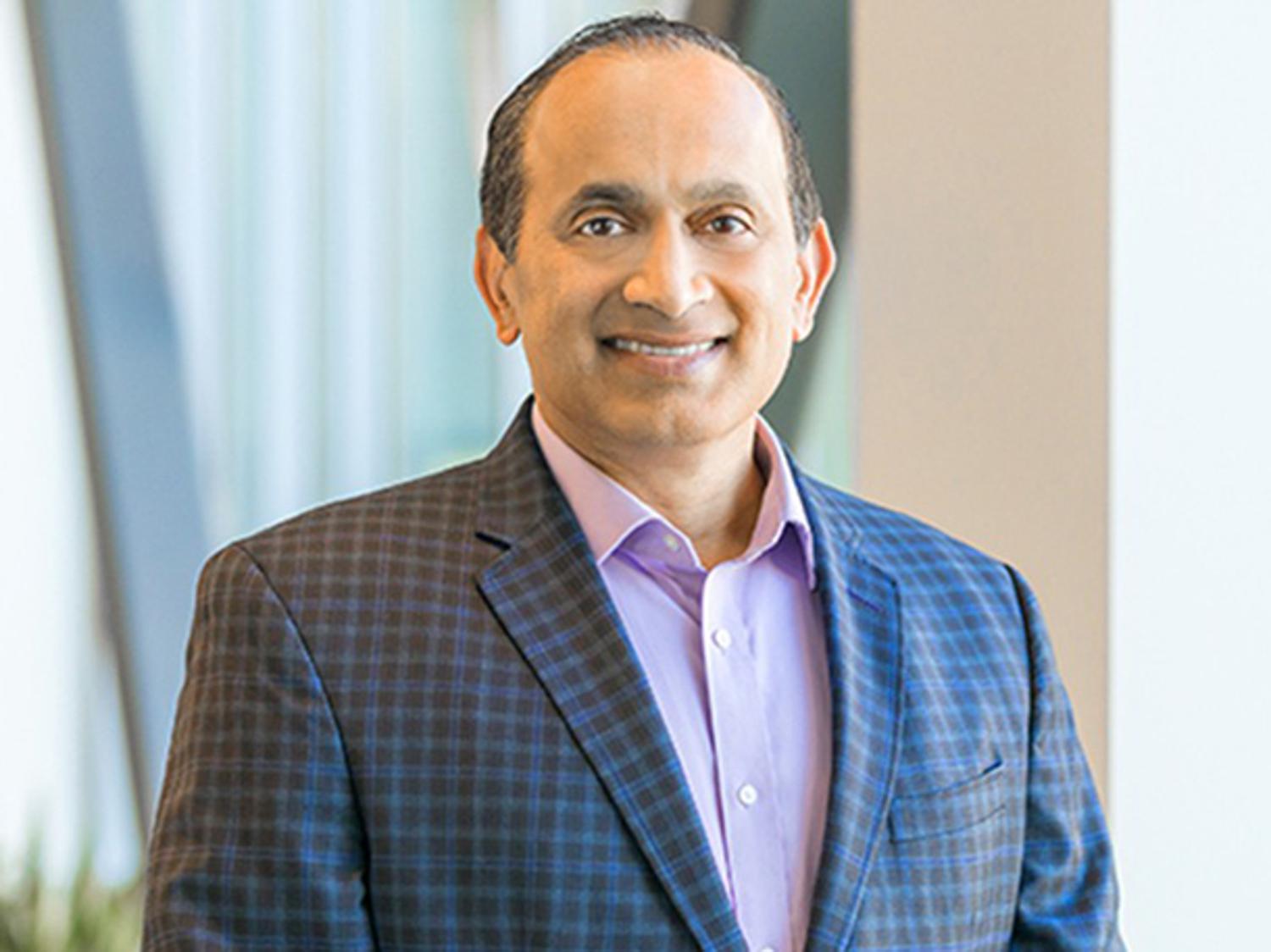
In 2026, AI initiatives will fuel sovereign cloud growth. As AI initiatives mature, enterprises are turning to sovereign cloud environments to balance innovation with control. We have heard from leaders across the globe, in markets such as the EU, the Middle East, and APAC, that sovereign clouds are a significant push for organisations looking to protect their data. I anticipate that in 2026, we will see a marked increase in enterprise AI workloads driven by sovereign clouds. As regulators intensify scrutiny of AI data workflows, IT leaders will continue to deepen partnerships with hyperscalers to maintain control of data while generating AI-powered insights.
At the same time, AI-driven unity against state cyber threats will become critical. The need to respond promptly to state-sponsored cyberattacks is undeniable. In 2026, NATO and its allies will operationalise combined cyber resilience frameworks powered by shared threat intelligence to safeguard critical infrastructure. Combining forces across borders with the shared goal of enhancing cyber resilience will provide global enterprises with new guidance to mitigate growing cyber risks. Failure to act against state-sponsored cyberattacks on critical infrastructure is not only a business risk; it is a threat to our collective security.
Agentic AI Will Industrialise Ransomware at Scale
– Vasu Murthy, Chief Product Officer at Cohesity

In 2026, agentic AI will autonomously operate ransomware-as-a-service platforms, running entire campaigns from ransomware delivery to extortion. AI will accelerate the scale and efficiency of attacks, building on the surge of AI-enabled cybercrime observed in 2025.
As ransomware becomes easier to launch and more complicated to contain, new safeguards and legislative frameworks will be essential to protect businesses and consumers from AI-driven extortion.
Cyber Resilience Will Eclipse Prevention as the Top Security Priority
– Brian Spanswick, Chief Information Officer at Cohesity

In 2026, cyber resilience will emerge as the primary cybersecurity objective as ransomware and AI-enabled attacks intensify. Organisations must move beyond prevention alone and balance investments with strategies that minimise business impact when breaches occur. Expect at least one-third of cybersecurity budgets to prioritise rapid response, clean-room recovery, and AI-driven tools that accelerate detection, investigation, and restoration at scale. These capabilities empower IT teams to contain incidents faster, reduce data exfiltration risk, and restore systems quickly—minimising disruption and safeguarding trust.
With annual IT budgets growing at only 2–3 percent on average, technology leaders face mounting pressure to deliver greater value without significant increases in spending. This dynamic is accelerating the shift towards hybrid cloud strategies that optimise both cost and capability. In 2026, I expect enterprises to allocate more than half of their infrastructure investments to hybrid models, designed to balance data sovereignty requirements with the agility and scalability of cloud services. By embracing hybrid architectures, IT leaders can extend the life and value of existing assets while enabling innovation at scale, all without overextending financial commitments. This approach is becoming critical as organisations demand measurable outcomes, operational resilience, and flexibility from every technology investment.
The Path Forward and How to Stay Ahead
The year 2026 will mark a turning point for enterprise technology. As Cohesity sees things, AI will amplify both opportunity and risk, cyber threats will grow more autonomous, and infrastructure decisions will be judged by resilience as much as performance. Leaders who succeed will be those who embrace sovereign and hybrid cloud strategies, invest in cyber resilience over pure prevention, and prepare for an era in which AI is both a powerful ally and a formidable adversary.
Hence, the call to action is clear: Reassess your architecture, elevate resilience to a board-level priority, and ensure your AI ambitions are matched by equally robust controls. The future belongs to organisations that are not just innovative, but prepared.