Understanding Smishing: A Text-Based Phishing Threat

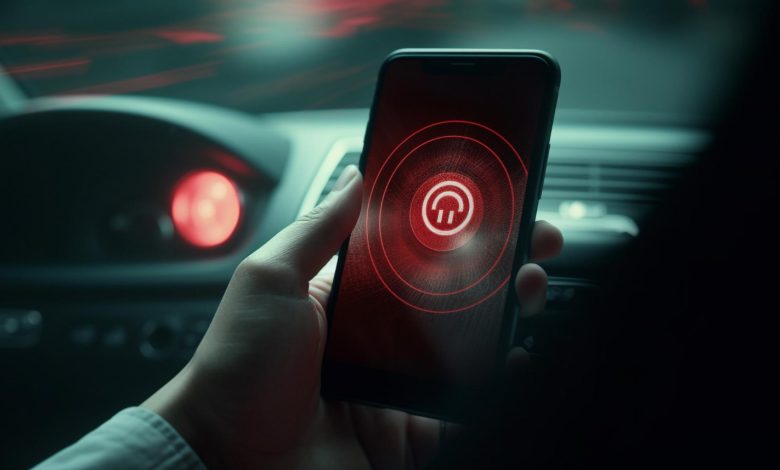
Smishing is a form of cyber attack utilising SMS (Short Message Service) or text messages to target individuals. It’s a clever blend of “SMS” and “phishing,” the common email-based scam. Smishing campaigns aim to trick recipients into divulging sensitive information, clicking on malicious links, or downloading malware.
Similar to phishing emails, smishing messages often masquerade as originating from trusted sources like banks, delivery companies, or even government agencies. They create a sense of urgency, fear, or curiosity to manipulate the recipient into a rash response. For instance, a text might warn of suspicious bank activity and urge the user to click a link to “verify” their account.
The technical aspects of smishing are relatively straightforward. Attackers exploit vulnerabilities in SMS gateways or use bulk messaging services to send widespread campaigns. Techniques like SMS spoofing allow them to disguise the sender’s identity, further amplifying the deception.
Since most users access text messages directly on their smartphones, smishing bypasses traditional email security measures. This can make them particularly dangerous, especially for those less familiar with cybersecurity best practices.
Here are some key considerations regarding smishing:
- Social engineering tactics: Smishing messages often employ emotional manipulation to bypass critical thinking.
- Malware distribution: Malicious links in smishing texts can lead to malware downloads, compromising devices and potentially exposing sensitive data.
- Evolving landscape: Attackers constantly refine their tactics, making it crucial to stay updated on the latest smishing trends.
Staying vigilant and educating others about smishing is key to mitigating its impact. By recognising the telltale signs and implementing robust security measures, individuals and organisations can significantly reduce the risk of falling victim to a smishing scam.