Malaysia’s Pathway to Cyber Resilience: Securing AI at Scale
The Cyber Threat Landscape Is Constantly Evolving, Reshaped by Technology, Geopolitical Tensions, Trade Shifts, and Regulatory Changes

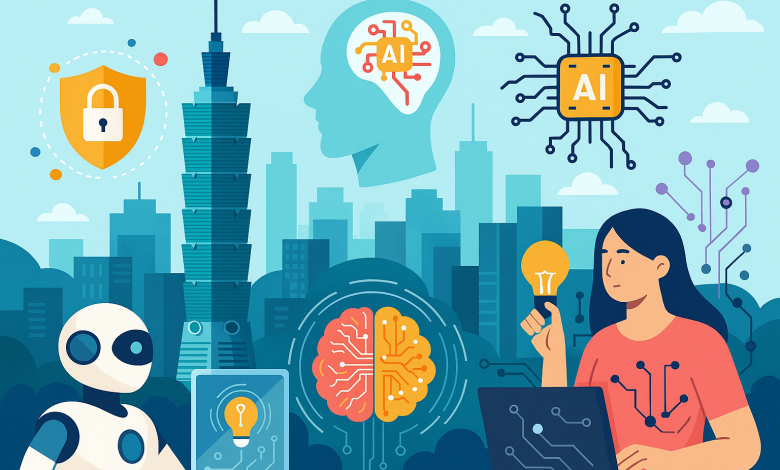
With Artificial Intelligence (AI) technologies progressing at an unprecedented pace, we are reminded that security is a strategic necessity and can no longer be treated as a seasonal priority.
Autonomous AI systems are rapidly becoming the norm across industries and continue to evolve. This shift, largely driven by the convergence of cybersecurity and Generative AI, has been sparked by foundation models cracking the natural language barrier.
But as these multi-agent systems advance in adaptivity and personalisation, so does the surface area for threats. Ensuring the trustworthiness of these AI systems then hinges on conditioning their exposure and compelling organisations to ensure cybersecurity capabilities keep pace.
This urgency is clear across Asia Pacific. Accenture’s report with the World Economic Forum found that a mere 31% of organisations are confident in their country’s cyber incidents preparedness. But where this threat is especially pronounced is in Southeast Asia, a region that has been marred by reports of increasing online scam farms and sophisticated cybercriminal networks, according to the United Nations.
The cyber threat landscape is constantly evolving, reshaped by technology, geopolitical tensions, trade shifts, and regulatory changes. This increases the risk of cyber exposure, leaving organisations more vulnerable to attacks. As AI accelerates the sophistication and scale of attacks by bypassing legacy systems, traditional defences are falling behind.
In Malaysia, a recent industry report reveals trends and the widening security gap. Only three percent of organisations have achieved a “Mature” level of cybersecurity readiness. Alarmingly, around 93% of Malaysian organisations reported experiencing an AI-related security incident in the past 12 months, yet only about 51% believe their employees fully understand how malicious actors are using AI.
This widening gap between innovation and protection underscores the need for organisations to embed security into every stage of their AI transformation.
To that end, organisations must move swiftly beyond traditional, static security to intention-based, AI-powered systems with cognitive architectures. The intended outcome is to enable real-time threat detection and automated response that secures both the digital and physical domains of AI system, while ensuring talent is able to get their mindset reorganised around how best to wield AI tools.
Protecting AI Interactions
While branded AI experiences—ones that reflect a brand’s unique culture, values, and voice—offer differentiation, they also introduce new vulnerabilities for cybercriminals.
A significant majority of executives in Malaysia (84%) agree they must proactively build trust between personified AI and their customers.
Safeguarding organisational reputation and customer trust in these digital AI interactions, therefore, demands rigorous protection of the data used to train and personalise AI models against breaches and unauthorised access. AI systems themselves must be designed with security in mind, incorporating regular updates with strong authentication as well as encryption protocols to safeguard customer interactions and data.
Moreover, as AI experiences become more complex, the risk of AI-driven phishing attacks and other forms of social engineering increases. 72% of global respondents observed an increase in cyber risks in 2024. They point to a rise in cyber-enabled fraud, more frequent phishing and social engineering attacks and identity theft as the leading personal cyber risks. Southeast Asia is not spared from these escalating threats, with increasing attacks targeting the region‘s government and critical infrastructure over the past two years.
By prioritising cybersecurity alongside the development of unique AI experiences, organisations can both differentiate themselves and foster a trusted and secure environment for their customers engaging with AI.
Robots Under Watch
Generalist robots offer exciting possibilities but also significant challenges due to their adaptation and ability to collaborate with humans. Consider a bustling warehouse: such environments are often heavily reliant on operational technology systems, inadvertently expanding their potential attack surface.
Hence, robots learning from human interactions demand protection against adversarial attacks that could corrupt their learning process or exploit software vulnerabilities. Additionally, seamless interaction between robots and warehouse staff requires robust authentication and authorisation mechanisms, ensuring only trusted entities engage with these physical machines.
This growing complexity is not lost on business leaders in the region. In Malaysia, executives are optimistic about the future of human-machine collaboration. Three in four see potential in adaptable, intelligent robots. However, 85% also believe natural language communication will be key to building trust and teamwork between people and machines.
As robots move into physical environments, 86% of Malaysian executives agree that organisations must embed responsible AI principles into deployment strategies.Building trust in these robots hinges on an unwavering commitment to cybersecurity. This requires a robust framework encompassing regular security audits, continuous monitoring, and secure communication protocols to make these physical AI systems resilient against evolving cyber threats and operate safely within our real-world environments.
Learning in Sync
In Malaysia, there is an expectation that AI agents will become core to digital architecture, with the majority of executives surveyed believing AI agents will change how digital systems are built. But for complex, dynamic multi-agent systems, rapid incident response is vital. This requires skilled employees to secure individual AI agents, control their interactions, and manage real-time threat detection and automated response mechanisms to maintain system integrity. All these efforts collectively depend on a workforce with the right expertise and continuous development.
However, this remains constrained by the lack of expertise in this area.
Since 2024, the cyber skills gap has increased by 8%, with two in three organizations lacking essential talent and skills to meet their security requirements. Furthermore, only 14% of organisations are confident they have the people and skills they need today. This global deficit highlights a shared vulnerability, posing a significant challenge for Southeast Asia’s secure AI development and deployment.
In Malaysia, 68% of executives recognise the need to upskill or reskill employees, including those with disabilities, in Gen AI tools within the next three years. Almost all (99%) of Malaysian leaders expect employee tasks to shift toward innovation, and 74% believe that building trust with employees is essential to capitalize on the full potential and benefits of Gen AI-driven automation.
At the end of the day, the powerful idea of equipping every employee with a digital sidekick requires thorough training for staff to recognise and report suspicious activities. Concurrently, organisations must establish robust, well-defined incident response mechanisms for AI-related security events.
Next-Level Cybersecurity
Safeguarding these AI systems requires organisations to adopt a proactive and comprehensive approach. This means rigorously securing digital conversations, protecting physical AI in real-world operations and addressing the human talent and skill gap for these AI security demands.
But possessing the right technology and frameworks is just the first step. The boundary-less, rapidly evolving nature of cybersecurity threats means time is of the essence; every moment an organization delays action, its risk exposure escalates, compounding the eventual impact on security and reputation.